Its a widely used procedure to reduce the physical and mental stress, originally developed by Dr. Edmund Jacobson in early 1920s.
Progressive muscle relaxation (PMA) is actually a muscle relaxing technique that involves the tensing and relaxing the muscles one by one. So, in this way it releases the physical tension which may ultimately ease stress and anxiety.
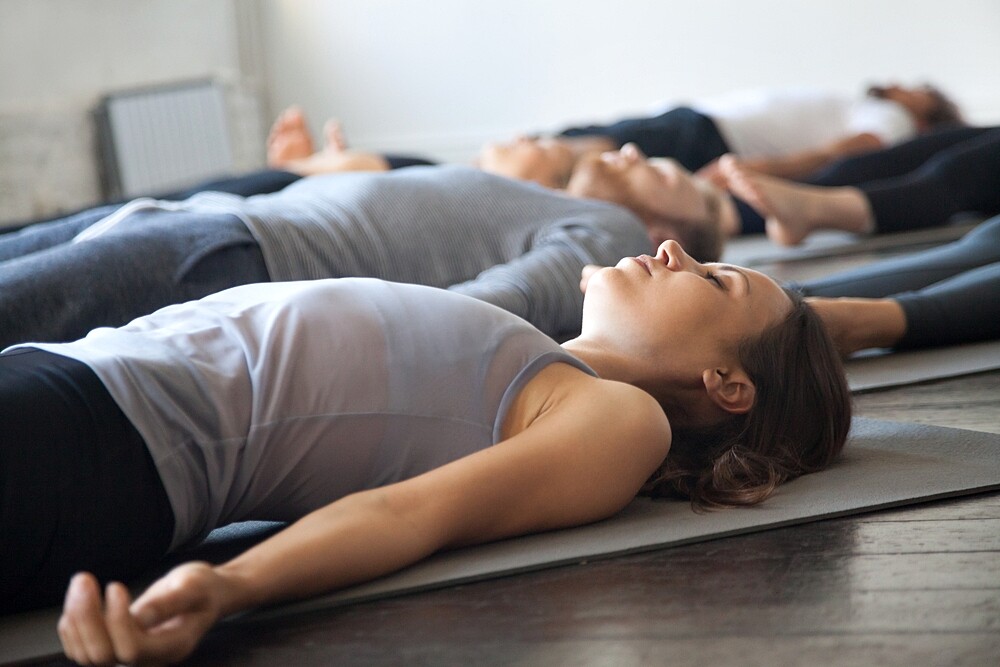
What is Muscle Tension?
Muscle tension is linked up with stress, anxiety and fear that prepares our body for potentially dangerous situations. The cause of muscle tension may be poor posture or overuse of muscle.
Procedure for PMR:-
The procedure of progressive muscle relaxation is facile. For this you need a quite spot and your body for exercise. And this is how PMR works:
- Take about 20 to 30 minutes for progressive muscle relaxation.
- Lie down and sit down and relax.
- Now tense different muscle groups of the body one after other from top to bottom for 15 seconds and then relax them for 30 seconds. Like:
1-Hands: clench your fists, this will also trains your forearm.
2-Upper arm: Bend your forearm towards ceiling and press your upper arm parallel to your chest
3-Face: Squeeze your eyes tight shut and open your mouth as wide as you can.
4-Neck and throat: Be careful as you tense these muscles. Face forward and then pull your head back slowly, as though you are looking up to the ceiling. And for your shoulder, tense your shoulder muscles as you bring your shoulder towards your ear.
5-chest: Tense your chest muscles by inhaling deeply.
6-Abdomen: Tense your lumbar muscles.
7-Back: Go into the hollow back.
8-Buttocks: Squeeze the buttock muscles.
9-Thigh: Lift your leg straight-up and then repeat it for other.
10-Lower leg: Bend the instep towards floor.
11- Feet: Claw your toes together.
Benefits of PMR:-
The progressive muscle relaxation has a variety of benefits that includes:
- Calms your autonomic nervous system for example lowering of blood pressure etc.
- Decrease muscle tension
- Reduce fatigue, anxiety and depression.
- Relieve insomnia.
 Health Coach